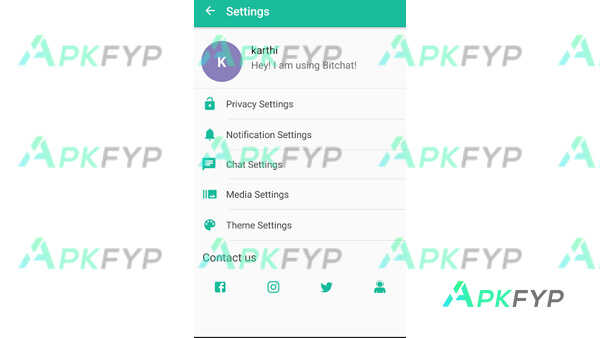
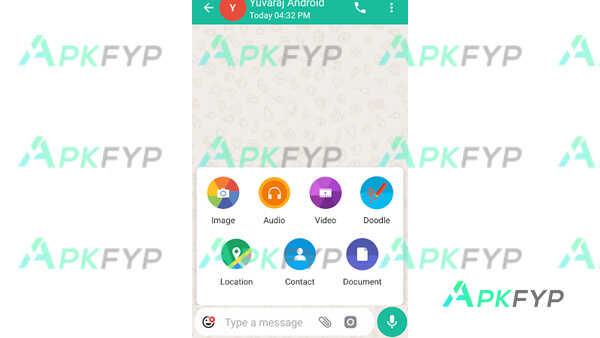
In today's digital age, privacy and data security have become more crucial than ever. Traditional messaging platforms often rely on central servers, making them susceptible to data breaches and surveillance. Bitchat, a new decentralized messaging app developed by Jack Dorsey, the co-founder of Twitter (now X), is poised to revolutionize the way we communicate online. This article explores the features, benefits, and future potential of the Bitchat APK, highlighting its unique approach to secure, offline messaging.
What is Bitchat?
Bitchat is a decentralized messaging app that leverages Bluetooth Low Energy (BLE) mesh networks to facilitate secure, peer-to-peer communication without relying on the internet. Unlike conventional messaging platforms, Bitchat allows users to send encrypted messages directly to nearby devices. It operates entirely offline, eliminating the need for phone numbers, accounts, or internet connectivity. This innovative approach ensures that users can communicate in environments where traditional networks may be unreliable, such as during natural disasters or in remote areas.
Key Features of Bitchat
1. Decentralized Communication
Bitchat uses a BLE mesh network that enables devices to relay messages between one another, expanding the range of communication beyond the immediate proximity of a sender and recipient. This network structure removes the reliance on central servers, ensuring greater privacy and reliability.
2. End-to-End Encryption
One of the standout features of Bitchat is its use of advanced cryptographic protocols like X25519 and AES-256-GCM to encrypt messages. This ensures that only the intended recipient can read the content of the messages, protecting users from potential eavesdropping.
3. No Registration or Personal Information Required
Unlike traditional messaging apps that require users to register with a phone number or email address, Bitchat allows anonymous communication. This is a key benefit for privacy-conscious individuals and users living in regions with heavy surveillance or censorship.
4. Ephemeral Messaging
Bitchat ensures that messages are stored only on the devices involved in the communication. Once the message has been sent and received, it is deleted, reducing the risk of information being stored on central servers or being exposed in the event of a data breach.
5. Emergency Data Wipe
Bitchat includes a security feature that allows users to quickly wipe all app data with a triple-tap gesture. This is particularly useful in high-risk environments where users may need to delete their communications to avoid detection.
6. Cross-Platform Compatibility
Bitchat is designed to work seamlessly across both iOS and Android devices, making it accessible to a wide range of users. Currently, the app is in beta testing on iOS via Apple’s TestFlight, with the Android version in development.
How Does Bitchat Work?
Bitchat's BLE mesh network allows users to send messages directly to nearby devices that are within range. These messages can be relayed through intermediate devices, extending the communication range. This decentralized system means that no central server is required, reducing the potential for data collection or surveillance by third parties.
Bitchat does not require an active internet connection to function, making it ideal for use in areas with unreliable or no internet connectivity. The app uses Bluetooth to form a network between devices, and messages are encrypted to ensure privacy.
Use Cases of Bitchat
1. Emergency Communication
In emergency situations, when traditional communication networks may be down, Bitchat provides a reliable way for people to stay connected. Its ability to function offline ensures that individuals can send messages even when cellular networks or Wi-Fi are unavailable.
2. Privacy-Conscious Users
For users concerned about their digital privacy, Bitchat offers a secure alternative to mainstream messaging platforms. By avoiding central servers and using end-to-end encryption, Bitchat ensures that personal data and messages are kept private.
3. Activists and Journalists
In countries with heavy surveillance or government censorship, Bitchat provides a secure means of communication for journalists, activists, and others who require anonymity. The app’s ability to operate offline and without registration makes it an invaluable tool for people in high-risk environments.
Availability and Installation
Bitchat is currently in its beta phase, available for iOS users through Apple’s TestFlight platform. The Android version is under development, and the source code is available on GitHub for developers who wish to contribute or test the app. While the iOS beta is limited in availability, the Android version offers opportunities for the open-source community to participate in the app’s growth and refinement.
Is Bitchat Right for You?
Bitchat is ideal for individuals seeking a secure and private messaging platform that doesn’t rely on central servers or the internet. It is especially beneficial for users in areas with unreliable connectivity, or those who prioritize anonymity in their communications. However, since it is still in beta and lacks some features commonly found in traditional messaging apps, users should be prepared for a more experimental experience.
For developers and privacy advocates, Bitchat represents a significant step forward in promoting decentralized, open-source communication technologies. As the app continues to develop, it may become a valuable tool for a wide range of users seeking secure, private communication channels.
Conclusion
Bitchat is more than just a messaging app; it is a step towards more secure, decentralized communication. With its focus on privacy, encryption, and offline functionality, Bitchat offers a fresh alternative to traditional messaging platforms. Whether you are a privacy-conscious individual, an activist in need of secure communication, or someone living in an area with unreliable connectivity, Bitchat provides a reliable and innovative solution for the digital age. As the app continues to evolve, it has the potential to shape the future of secure messaging.